
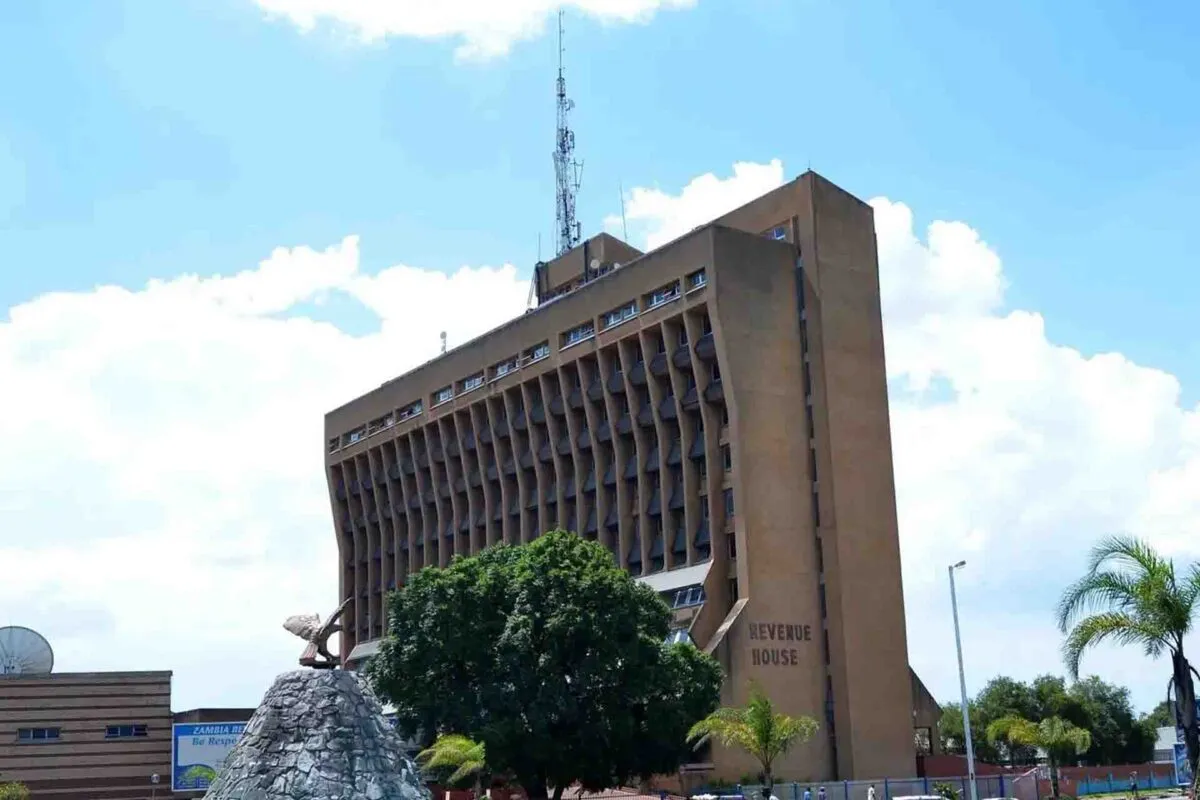
The introduction of a 10 % excise duty on betting stakes in Zambia marks a significant shift in the country’s gaming regulation and tax policy. In 2025, the Zambian government enacted this measure via the Zambia Revenue Authority (ZRA) through amendments to the Customs and Excise (Amendment) Act No. 11 of 2025 (Section 7).
The tax, charged on the total amount bet by players, came into effect in September/October 2025. While the move aimed to capture revenue from a fast-growing industry, it has provoked strong push-back from betting companies citing concerns of economic unsustainability and implementation complexity. The largest players in Zambia’s iGaming market, Betway and BetPawa, have shut down their casino operations in response to the new tax, while others such as BongoBongo have chosen to comply and continue operating.
With the constitutional challenge dismissed and enforcement now underway, the long-term success of the measure will hinge on striking the right balance between fiscal objectives, industry viability, consumer choice, and overall market health.
Industry reaction: suspension of operations & legal challenge
Major betting operators such as Betway and BetPawa responded strongly. They argued the tax was excessive, ambiguous, unimplementable, and financially unsustainable. They also claimed there was a lack of adequate stakeholder consultation.
In October 2025, they filed a constitutional petition to stop the ZRA and the Attorney General from collecting the tax, citing violations of Articles 8, 9, 10, 89 and 198 of the Constitution (fairness, equality, public consultation, etc). However, the petition was dismissed by the Constitutional Court, which found the petitioners had not demonstrated a sufficiently serious constitutional issue to justify suspending enforcement at this stage.
As a result of the tax, operators scaled back or suspended parts of their operations: for example, BetPawa paused casino and jackpot offerings and adjusted its platform.
ZRA’s perspective
The ZRA contends that the excise duty is lawful, aligned with its mandate, and was enacted after stakeholder engagement. It emphasises the principle of “pay now, argue later” in tax administration, meaning the tax must be paid pending any legal challenge.
From the government’s viewpoint, the tax is aimed at raising revenue from a rapidly growing betting and gaming sector, and in line with how other African jurisdictions are moving.
Implications for stakeholders
For punters (betting customers):
- The cost of placing a bet may effectively go up (if the operator passes on the tax).
- Some games (casino, jackpots) may be suspended or limited if operators deem them non-viable.
- Possible reduced choice of platforms if some operators scale back or exit.
For operators:
- Need to revisit business models (pricing, margin, risk) given the new cost structure.
- Compliance burdens: updating systems to deduct/report the tax, possibly redesigning products.
- Strategic decisions: whether to remain in the Zambian market, reduce offerings, or negotiate with regulators/industry associations.
For the government/regulator:
- Opportunity to collect new fiscal revenue.
- Need to monitor unintended consequences: reduced industry size, job losses, shift to informal/unregulated market.
- Should ensure transparent industry consultation, clear implementation guidance, and enforcement fairness to maintain a healthy regulatory environment.
Outlook & what to watch
- Whether more operators will exit or scale down in Zambia, reducing players choice and industry competition.
- Whether the government or regulator will adjust or refine the law (e.g., clarify implementation, adjust rate) in response to industry feedback or economic impact.
- How the measure affects tax revenue: will the government meet its fiscal expectations, or will shrinkage in betting activity offset gains?
- Potential spill-over into unregulated betting: if costs push punters or operators into grey markets, regulatory oversight and consumer protection may worsen.
- Similar moves in other African jurisdictions: the Zambia case may set a precedent or cautionary tale for other countries considering excise duties in the gaming sector (for example, Kenya, Nigeria).

Leave a Reply